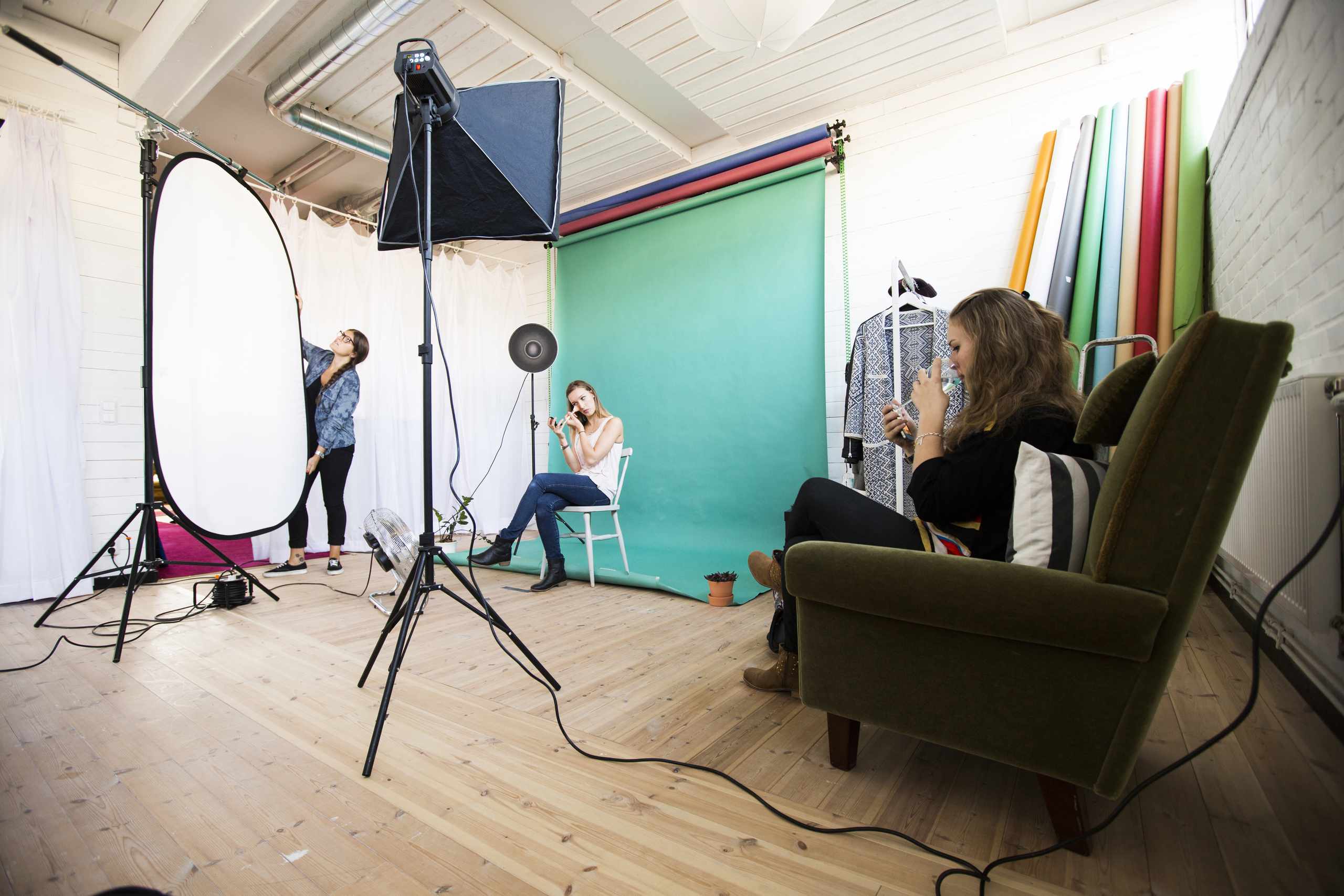
Scenography Built Through Testing
StageVista Course approaches stage design as a practical process of reading, sketching, arranging, checking, and revising rather than decorating a stage from intuition alone.
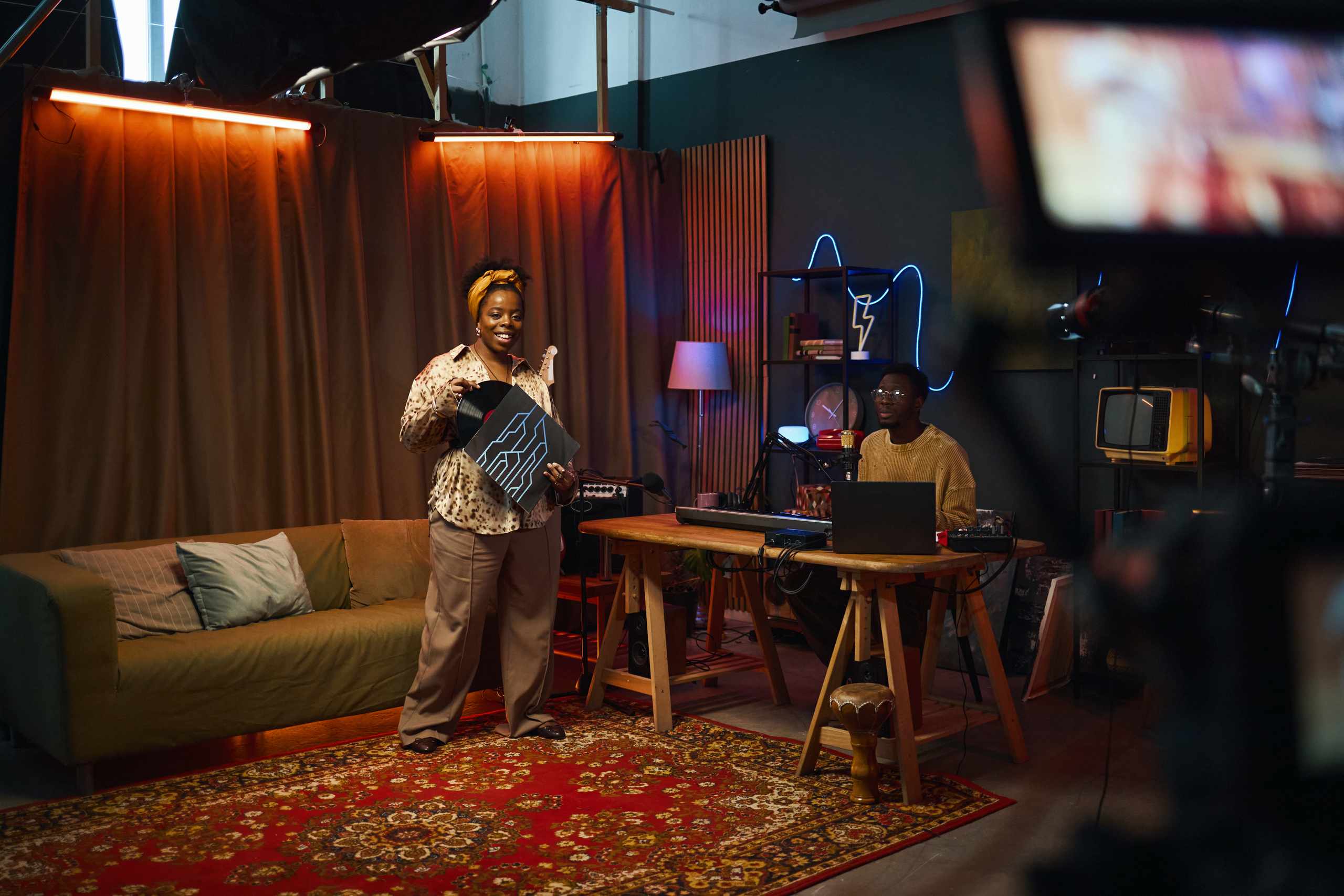
From Script Detail To Spatial Decision
Each scenic study begins with the needs of a scene: where action happens, how performers enter and move, what the audience must see, and which visual details support the atmosphere.
Ideas are tested through thumbnail sketches, floor plans, elevations, mood boards, and simple maquettes before time is spent refining one final direction.
A Repeatable Scenic Design Process
Read The Scene
Mark locations, actions, mood shifts, entrances, exits, and visual clues that may affect the performance space.
Sketch Alternatives
Create quick stage pictures that compare focal points, silhouette, depth, negative space, and scenic arrangement.
Map The Space
Use a floor plan and elevation to check scale, performer pathways, platforms, furniture, and scene-change needs.
Build A Maquette
Test the arrangement with card, paper, tape, and small figures before adding unnecessary model detail.
Check And Revise
Review sightlines, movement space, colour, texture, and visual hierarchy, then remove elements that do not support the scene.
Four Principles Behind The Practice
Observe Before Designing

Test Before Final Refining
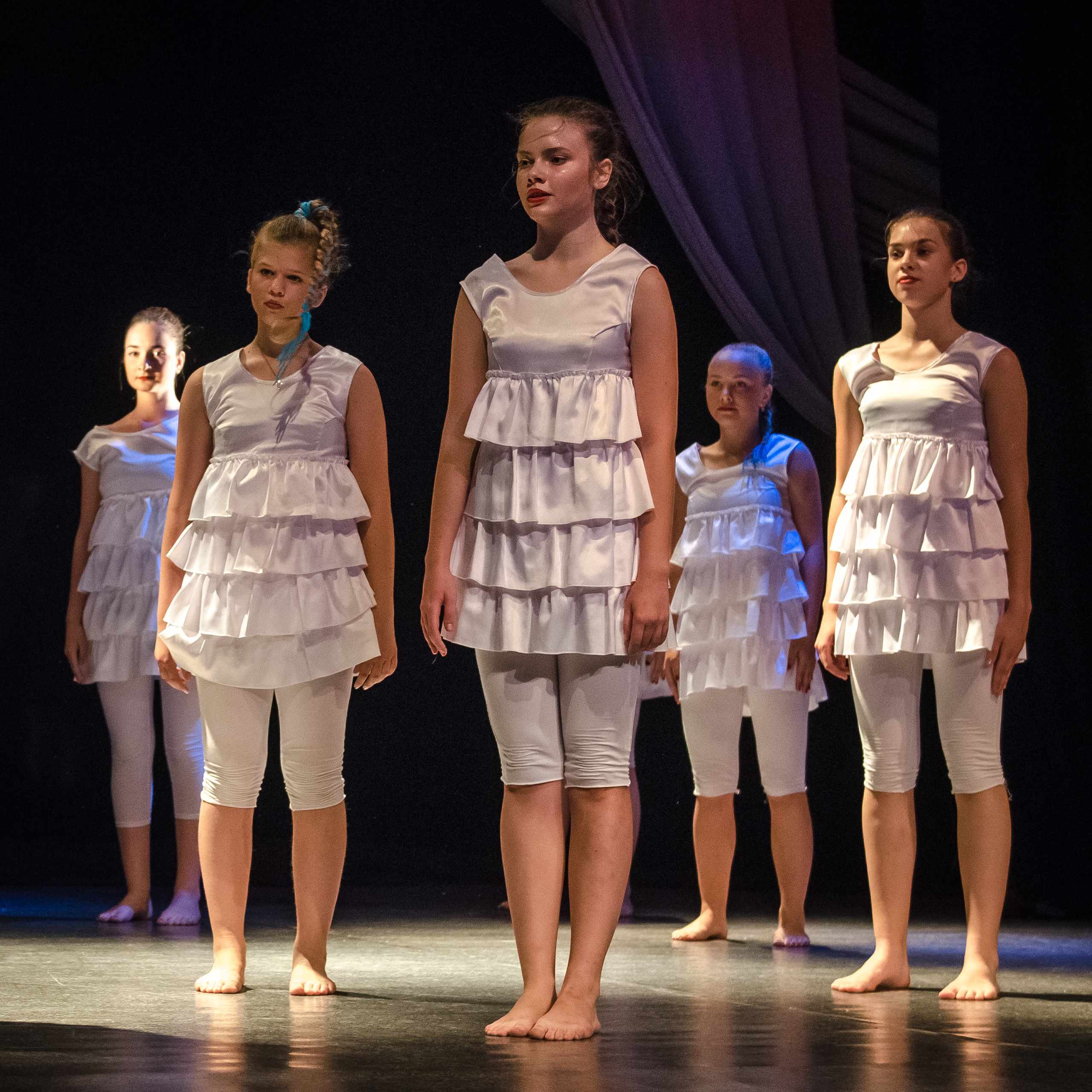
Design Around Movement

Keep Every Choice Useful
Clarify Your First Scenic Study
Ask about drawing experience, starting materials, floor-plan practice, model making, or the best way to approach your first stage-design concept.
Discuss Your Enrollment